Serving Harrogate, Knaresborough & Ripon
Crown Reduction in Harrogate


Safe, professional tree removal and felling by City & Guilds NPTC qualified arborists. Complete extraction with site clearance and licensed waste disposal.
Fully insured
Home > Tree Services > Crown Reduction
What We Do
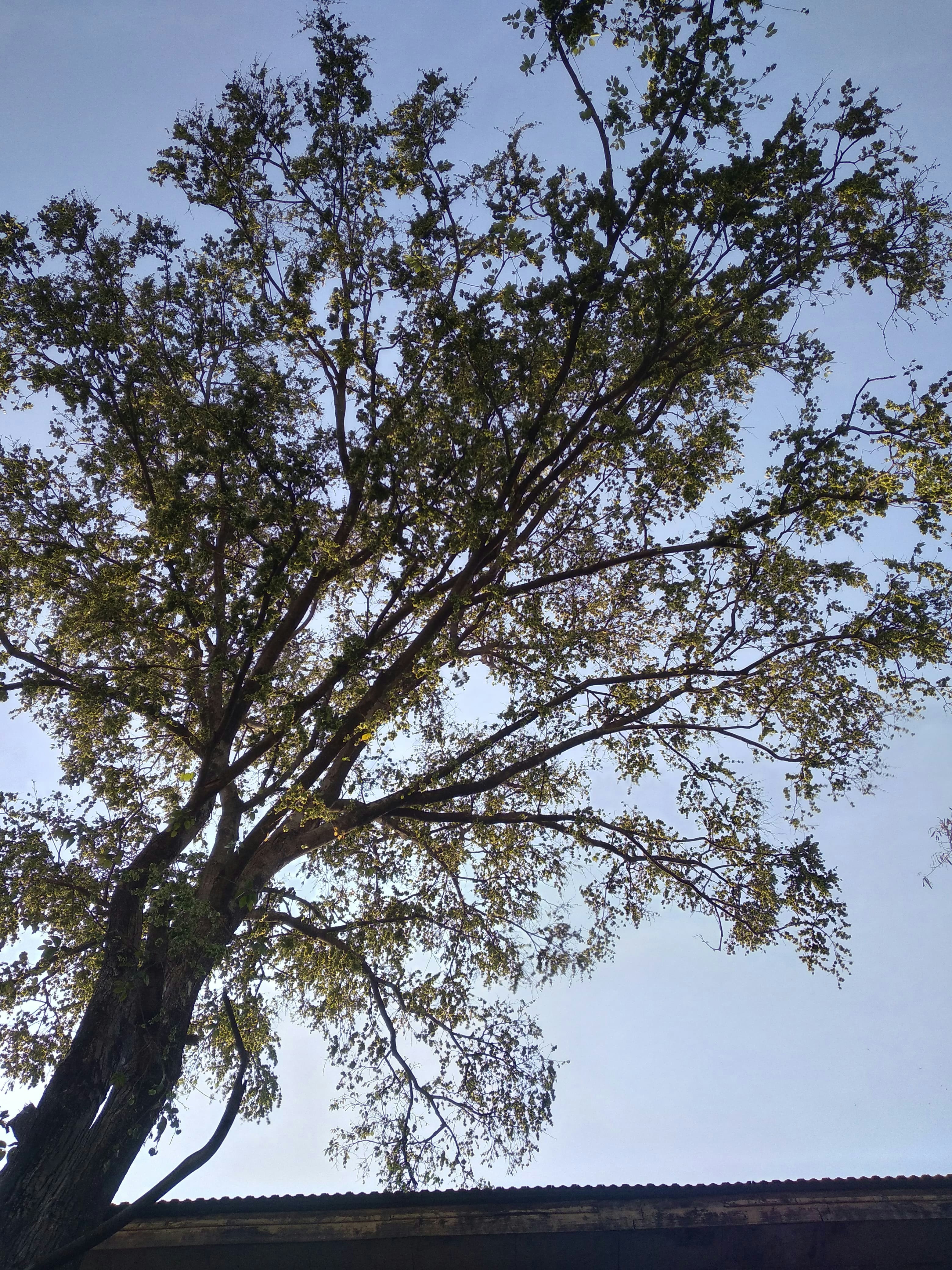
Crown reduction is the selective shortening of branches to reduce a tree's overall size, height, or spread while maintaining its natural shape and health. Unlike topping which hacks branches back to stubs causing permanent damage, crown reduction involves carefully cutting branches back to suitable growth points, preserving the tree's structure and vitality.
We reduce the crown by pruning branches back to lateral branches that are at least one-third the diameter of the cut section. This ensures each cut heals properly and the tree maintains balanced growth. The process reduces the tree's height or spread by 15-30% in a single operation, enough to solve problems without shocking the tree or causing excessive regrowth.
All work follows British Standard BS3998, which prohibits harmful practices like topping and specifies exactly how reduction cuts should be made. We assess each tree before work starts, identifying which branches to target, how much to remove, and whether reduction is the right solution. Some trees respond well to reduction; others don't. We'll tell you honestly what will work.
Whether you need a tree reduced to stop it blocking light, bring it away from buildings, reduce wind loading, or simply make it more manageable for your garden, we plan every cut to keep the tree healthy and looking natural.
Why Choose T. Howie Tree Specialist
City & Guilds NPTC Qualified
Our team holds full City & Guilds NPTC qualifications in tree climbing, pruning, and aerial work. We work to BS3998, the British Standard that specifically prohibits harmful practices like topping and defines proper crown reduction techniques. Every cut is made correctly to protect tree health and ensure proper wound closure.
Over 15 Years' Local Experience
Based in Harrogate since 2012 and being the highest rated, we've safely removed hundreds of trees across residential gardens, estates, and commercial sites. We understand which species respond well to reduction (oak, ash, beech, lime) and which don't (conifers, birch). That experience means we can advise honestly and execute work that looks natural, not butchered.
Natural Shape Maintained
Poor reduction work leaves trees looking stub-pruned, unbalanced, or topped. We reduce crowns gradually, cutting back to appropriate lateral branches so the tree retains its natural form. The result looks like the tree has simply grown smaller, not been attacked with a chainsaw.
When You Need Crown Reduction
Tree Too Large for Space
Trees planted in small gardens eventually outgrow their location. A once-suitable tree can dominate a space, overwhelm the property, or crowd neighboring trees. Crown reduction brings the tree back to a manageable size without removing it completely.
Blocking Too Much Light
Large trees near houses or over gardens block sunlight, making rooms dark and preventing plants growing underneath. Reducing the crown by 20-30% opens up significant light while keeping the tree. More effective than thinning alone when the tree is simply too big.
Growing Too Close to Buildings
Trees near roofs, windows, or walls pose risks as they grow. Branches can damage tiles, gutters, and fascias. Roots sometimes follow moisture under buildings. Crown reduction pulls the canopy back from structures while maintaining the tree's presence and benefits.
Reducing Wind Loading
Large canopies catch wind like sails, creating stress on trunks and root plates. Trees in exposed positions or those showing signs of instability benefit from reduction to lower wind resistance. Particularly important for older trees with compromised structure.
After Storm Damage
When storms break major branches or split the crown, the tree becomes unbalanced and heavy on one side. Crown reduction can rebalance the tree, reduce weight on damaged areas, and restore a more stable structure.
How Crown Reduction Works
Tree Assessment
Before any cutting, we assess the tree's species, age, health, and structure. Not all trees suit reduction. Conifers generally don't respond well once cut back, many won't regenerate properly. Broadleaf trees like oak, ash, beech, and lime tolerate reduction well if done correctly.
Planning Target Branches
We identify which branches to reduce and where to make cuts. Each cut must be made back to a lateral branch at least one-third the diameter of the section being removed. This ensures the lateral can sustain the branch and continue growing naturally.
Gradual Reduction (15-30%)
Crown reduction removes 15-30% of height or spread in one operation. More aggressive reduction risks shocking the tree, causing excessive epicormic growth (water shoots), or leaving it vulnerable to disease. If more reduction is needed long-term, it's done over multiple years.
Balanced Cutting
The tree must remain balanced after reduction. We don't just cut one side or the top - the whole crown is reduced proportionally so weight distribution remains stable. An unbalanced crown creates stress and structural weakness.
Clean Cuts at Correct Angles
Every cut is made cleanly with sharp tools at the correct angle to promote wound closure. Ragged cuts or incorrect angles delay healing and invite disease. We follow BS3998 cutting specifications exactly.
Complete Clearance
All cut branches are chipped or removed, timber is processed, and your garden is left clean and tidy. If you want logs for firewood, we'll cut and stack them.
Crown Reduction vs Other Pruning Methods
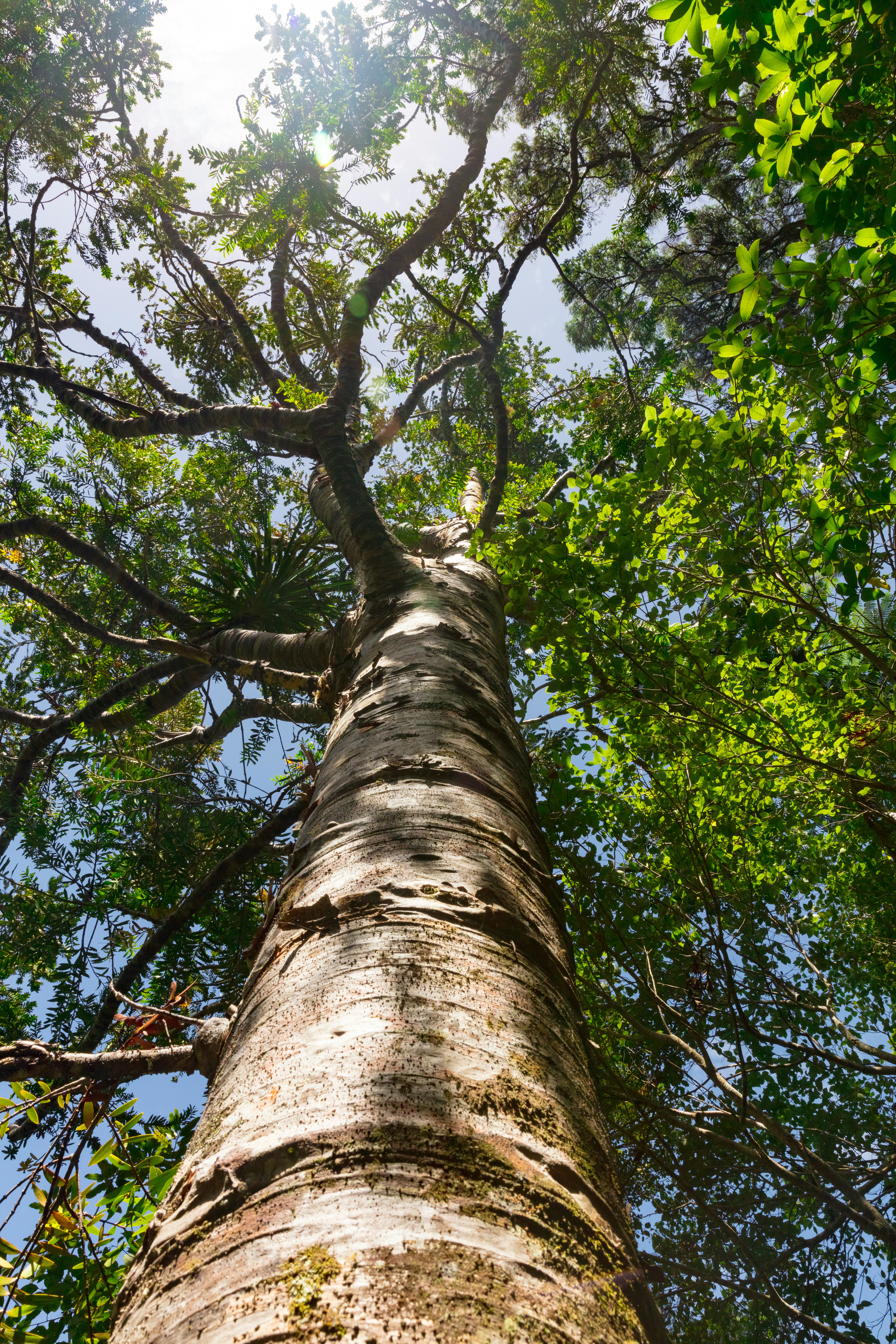
Crown reduction makes the tree smaller, reduces height or spread. Crown thinning keeps the tree the same size but removes internal branches to reduce density. Reduction changes dimensions; thinning changes density. Many trees benefit from both done together.
See our Crown Thinning & Lifting page for details.
How it works
Free Site Visit & Quote
Call or message us with basic details. We'll arrange a visit to assess the tree, discuss what you want to achieve, check whether reduction is appropriate, and measure access. Written quote provided within a few days.
Work Scheduled at Best Time
We'll agree timing based on species, tree health, and season, usually winter for most trees. If it's urgent (deadwood over a path, branches on a roof), we can work sooner with appropriate precautions.
Safe Reduction & Complete Clearance
We arrive on time with the right equipment. The crown is reduced carefully following BS3998 standards cutting back to appropriate laterals, maintaining balance, and ensuring the tree keeps a natural shape. All brash is chipped, timber processed, and your property left clean and tidy. Most crown reductions are completed in 1-2 days depending on tree size.
Frequently Asked Questions
What's the difference between crown reduction and crown thinning?
Is crown reduction bad for trees?
Can you reduce a tree with a TPO?
How often does crown reduction need doing?
Other Tree Services
24/7 Emergency Service
07432721374
Available 24/7 for Storm Damage & Dangerous Trees.