When Can You Cut Hedges in the UK? Bird Nesting Season Explained
Confused about when you can legally cut hedges in Harrogate? Our guide covers UK bird nesting season rules, what's legal, and the best times to book hedge trimming in North Yorkshire.
Content
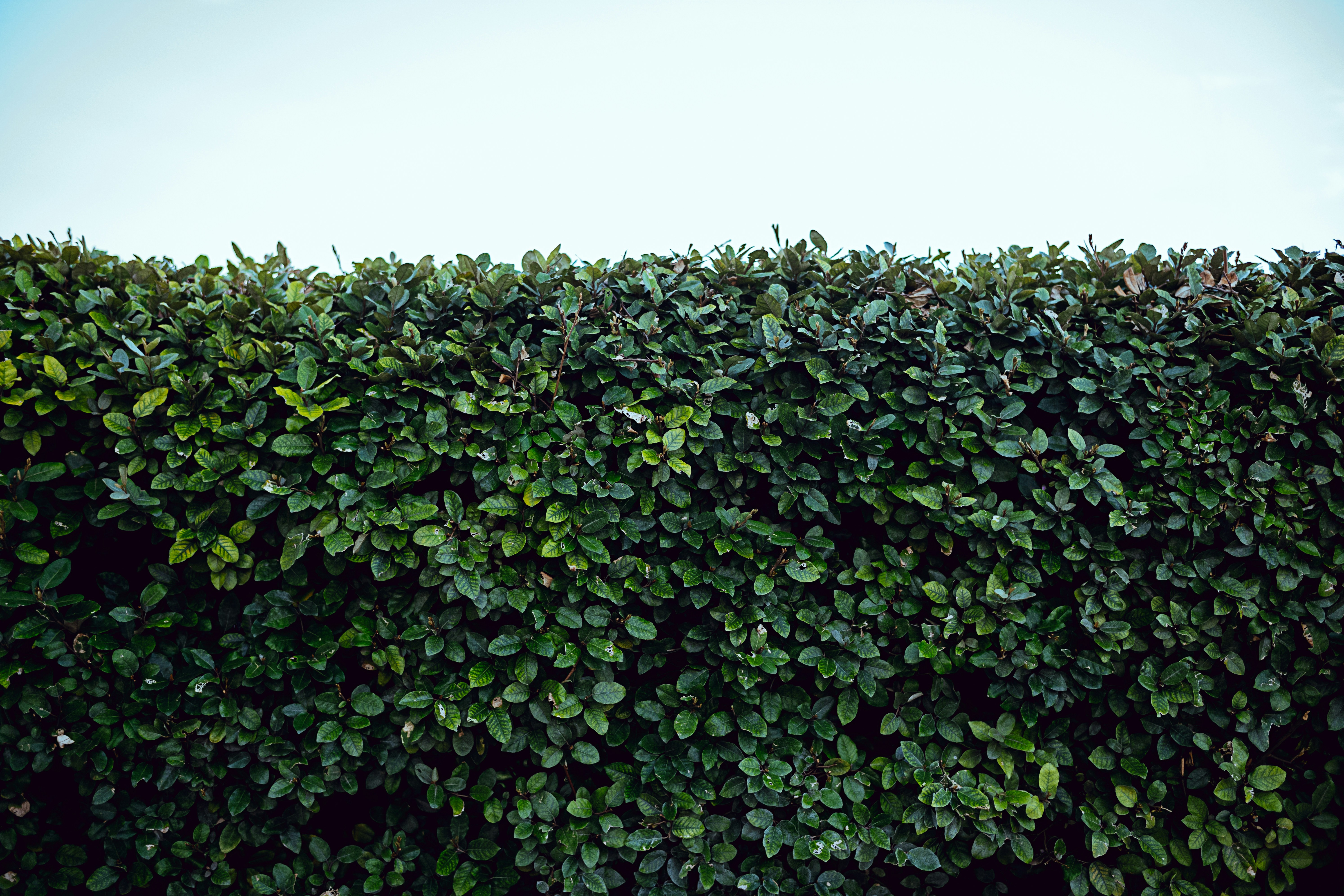
One of the most common questions we get from Harrogate homeowners is whether it's legal to cut their hedges at a particular time of year. The answer is more nuanced than a simple yes or no, but it's not complicated once you understand the basics.
Here's everything you need to know about hedge cutting rules, bird nesting season, and the best times to book hedge trimming in Harrogate.
Is it illegal to cut hedges during bird nesting season?
Technically, it's not illegal to cut hedges between March and August, but it is illegal to deliberately destroy or damage the nest of any wild bird while it is in use or being built. This is covered by the Wildlife and Countryside Act 1981.
What this means in practice: if you (or your tree surgeon) cut a hedge that contains an active nest with eggs or chicks, you could be committing a criminal offence, even if you didn't intend to. The law doesn't require intent.
This is why responsible tree surgeons - ourselves included - always visually check for active nests before starting any hedge work between early March and the end of August.
When does bird nesting season start and end in North Yorkshire?
The general guidance used by most arborists and conservation organisations is 1 March to 31 August. However, nesting can start earlier in mild winters, and some species nest late into autumn.
In North Yorkshire specifically, watch out for:
Blackbirds and song thrushes, can start building from late February in sheltered Harrogate gardens
House sparrows - will nest in hedges and shrubs from March, often repeatedly through summer
Robins and wrens - notorious for nesting in unexpected places including thick hedgerows
The rule of thumb for anyone cutting their own hedges: if you see a nest, stop. Check whether it's active (eggs, chicks, or a bird sitting on it). If it is, leave it completely undisturbed and do not resume cutting until the nest is clearly abandoned.
What are the best months to cut hedges?
From a legal, practical and plant health perspective, the optimal window for hedge trimming in Harrogate is:
September to February - outside of nesting season, most hedges can be cut freely. This is our recommended window for most formal hedges and routine maintenance cuts.
Late August can work if the season has been dry and growth has slowed — check carefully for late nesting before starting.
March and April - possible but requires extra care and a thorough nest check. Many professional teams (including ours) will proceed cautiously during this period but will stop immediately if a nest is found.
May to July - highest risk period. Nesting is at its peak. We will check before work, but it's common to have to postpone jobs or work around sections with active nests.
For hedge planting in Harrogate, timing is different - the best planting window is October to March for bare-root stock, or any time of year for pot-grown plants.
Does the rule apply to all hedges?
The bird nesting rules under the Wildlife and Countryside Act apply to all wild bird species and their nests — there are no exemptions for garden hedges versus countryside hedgerows. Whether it's a formal box hedge in your Harrogate garden or a field boundary, the principle is the same.
Agricultural hedgerows have an additional layer of protection. Under the Hedgerow Regulations 1997, certain countryside hedges cannot be removed without prior notification to the local planning authority. These rules apply to hedges alongside fields and roads, not generally to domestic garden hedges, but it's worth being aware of if you're dealing with a boundary hedge in a rural North Yorkshire setting.
What about council rules and tree preservation orders?
Hedges are not subject to Tree Preservation Orders (TPOs) in the same way individual trees are. However, if a hedge forms part of a planning condition - for example, as a screening requirement on a new development, removing or drastically cutting it may require planning permission.
If you're unsure whether your hedge or trees are covered by a TPO or planning condition in Harrogate, check with Harrogate Borough Council (now part of North Yorkshire Council) before booking any major work. Our guide to tree preservation orders in North Yorkshire covers this in more detail.
How often should hedges be cut?
For most formal hedges in Harrogate gardens:
Box, privet and yew - once or twice a year, ideally in late summer and again in early spring (outside nesting season)
Beech and hornbeam - once a year in late summer is usually sufficient
Leylandii and fast-growing conifers - may need two or three cuts per year to stay manageable
Native mixed hedgerow - once a year in late winter, before nesting begins, is ideal for wildlife
A single annual cut in late winter (February to early March) is often the most wildlife-friendly approach and keeps most hedges in good shape.
What if my hedge has become overgrown?
If a hedge hasn't been cut for several years, a single trim won't always be enough to restore it. Renovation cutting, cutting back hard to rejuvenate growth — is often the best approach, but timing matters and some species respond better than others.
Yew, box, hornbeam and beech generally tolerate hard renovation well. Leylandii and many conifers don't — cutting back beyond the green growth into brown wood often results in permanent bare patches.
We offer hedge assessment alongside trimming as part of our garden maintenance service. If you're not sure what your hedge needs, we can advise before we start.
Booking hedge trimming in Harrogate
T. Howie Tree Specialist covers hedge trimming across Harrogate, Knaresborough, Ripon, Wetherby and surrounding North Yorkshire villages. Tom is City & Guilds NPTC qualified and fully insured, and all hedge work is carried out with a nest check as standard between March and August.
Get in touch for a free quote — or read more about our hedge trimming service and hedge planting.