Tree Preservation Orders in North Yorkshire: What You Can (and Can't) Do
Does your tree have a TPO? Our guide explains Tree Preservation Orders and Conservation Areas in Harrogate and North Yorkshire: how to check, the rules, and how to get consent.
Content
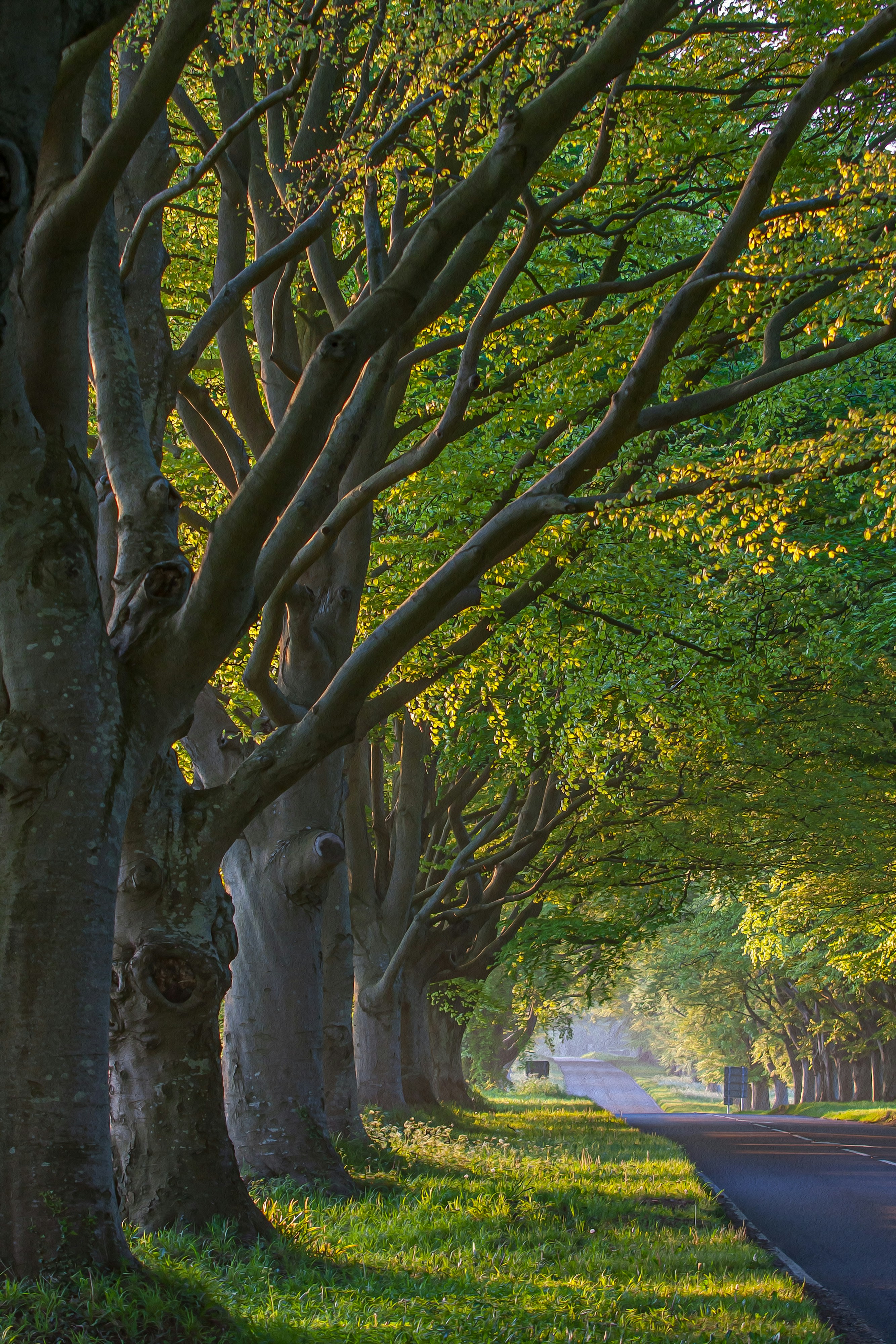
One of the questions we get most often in Harrogate is some version of this: "It's my tree, in my garden, so surely I can do what I like with it?" Not always. A great many trees across Harrogate and North Yorkshire are protected, and cutting one without permission, even your own, can land you with a serious fine. The good news is that the rules are clear once you know them, and checking is straightforward.
What is a Tree Preservation Order?
A Tree Preservation Order (TPO) is a legal protection made by the local planning authority, which for us is North Yorkshire Council. It can cover a single tree, a group, or a whole woodland.
Where a TPO is in place, it's an offence to cut down, top, lop, uproot, or wilfully damage or destroy the tree without the council's written consent. That applies regardless of who owns it. Fines are now unlimited, and you can be required to replant.
How do I know if my tree has a TPO?
You can't tell by looking, because there's nothing on the tree itself. The reliable way is to check with North Yorkshire Council, who hold the register of protected trees. Before we quote for any significant tree work, including tree removal and felling, crown reduction or tree pruning, we check the local authority register for TPOs and Conservation Area boundaries as standard, so you're not relying on guesswork.
What about Conservation Areas?
This catches a lot of people out, because it's separate from TPOs. Large parts of Harrogate fall within Conservation Areas, and trees in a Conservation Area are protected even without a TPO.
In practice, that means you must give the council six weeks' written notice before carrying out work on a tree in a Conservation Area. That window lets them decide whether to place a TPO on it. Very small trees (broadly, under 75mm trunk diameter) are generally exempt, but if you're in any doubt, check first.
Does this apply to my hedge too?
Hedges aren't protected by TPOs in the same way individual trees are. But if a hedge forms part of a planning condition, removing or drastically cutting it can need permission. Our guide to when you can cut hedges in the UK covers the separate bird-nesting rules, which apply to everyone regardless of TPOs. And if you're looking to replace a hedge or plant a new one, our hedge planting and hedge trimming pages cover what we can do.
What if the tree is dead or dangerous?
There are exemptions for genuinely dead or dangerous trees, but they're narrower than people assume, and "it was in the way" doesn't qualify. Even for a dead tree you're generally expected to give the council prior notice, and for a dangerous one you should keep clear evidence, photographs especially, of why urgent work was necessary.
This is exactly the kind of situation where professional advice matters before you act. We can assess the tree, advise whether an exemption genuinely applies, document the condition, and deal with the council on your behalf. For genuine emergencies, such as a tree down after a storm or a limb on a roof, our emergency tree services are available and we handle the evidence side as part of the response.
What about routine seasonal work?
Some tree work, like careful seasonal pruning of fruit trees or ornamental specimens, can be carried out at the right time of year without any risk to the tree. But even light pruning on a protected tree requires consent. If your tree has a TPO, the safest approach is always to ask first. We can advise on whether a proposed pruning programme needs council approval and help you submit the paperwork if it does.
How do I get consent to work on a protected tree?
You apply to the council for consent. The application is free, and a decision typically takes around eight weeks from submission. The application is stronger when it clearly sets out what work is proposed and why, which is where a proper assessment, and sometimes a tree survey, supports your case.
We handle this routinely. If your tree is protected, we'll explain the process, help prepare and submit the application, and wait for approval before any work starts.
Frequently asked questions
Can I prune a tree in my own garden if it has a TPO? Not without consent. Pruning, lopping and topping are all covered by a TPO, so you need the council's written permission first.
How long does TPO consent take? Typically around eight weeks from submission. It's worth factoring this into your timing rather than leaving it to the last minute.
What's the fine for cutting a protected tree? Fines can reach up to £20,000 for serious breaches, and you may be ordered to replant.
How do I check if my tree is protected? Contact North Yorkshire Council, who hold the register. Or ask us: we check the register and Conservation Area boundaries before quoting any significant work.
Thinking about work on a tree that might be protected?
Don't risk it on a hunch. Tell us where you are and what you're planning, and we'll check whether a TPO or Conservation Area applies, advise on the right approach, and handle the council application if one's needed.
Get in touch for free advice and a no-obligation quote. You may also find our guides to tree surveys and BS5837 reports and how much tree surgery costs in Harrogate useful.